Philippines to Tighten Motorcycle Helmet Law Enforcement Nationwide From 2026
Stricter helmet-law checkpoints are rolling out across the Philippines from 2026 — here's what riders need to know to stay compliant.
MySpeedParts Team
· 2 min read
What's changing
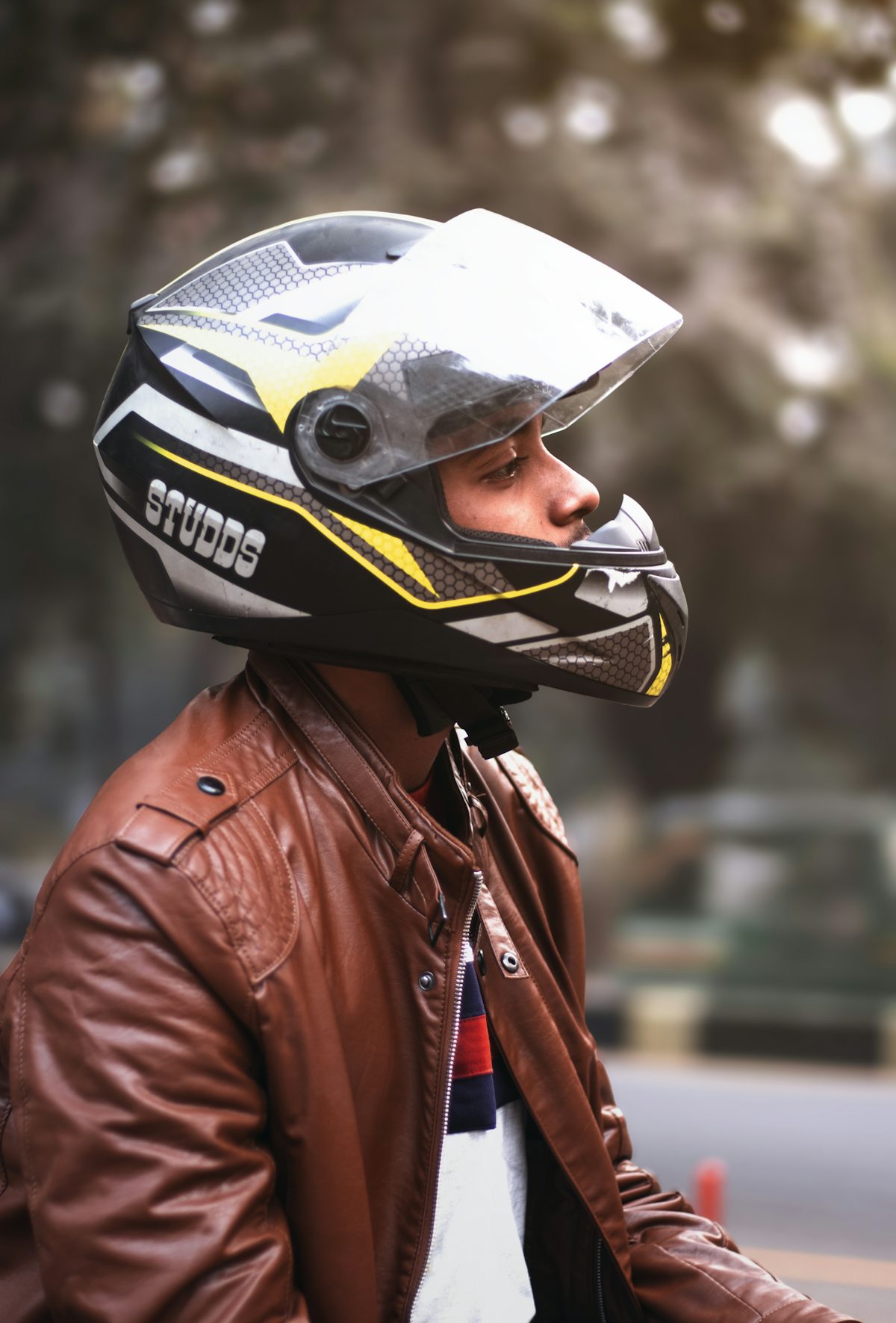
Starting 1 January 2026, the PNP Highway Patrol Group (HPG) began stepping up nationwide enforcement of the Motorcycle Helmet Act, officially Republic Act 10054. In the lead-up, from November to December 2025, HPG ran public information campaigns in schools and motorcycle-dense areas — and from the new year, checkpoints have gone up on major highways and busy routes across the country.
Why now
The rationale cited by HPG is stark: LTO and PNP-HPG data recorded 31,000 road accidents and 2,747 deaths in 2024 alone. Motorcycles are disproportionately represented in road fatality statistics across Southeast Asia, and helmet compliance remains one of the most directly effective, lowest-cost interventions available — which is exactly why enforcement, not just legislation, is the focus of this push.
What actually counts as a legal helmet
This is the part that trips up a lot of riders: not every helmet that looks the part is legal to wear under RA 10054. To be compliant, a helmet needs to carry one of the following:
- A PS (Philippine Standard) mark — for locally manufactured helmets
- An ICC (Import Commodity Clearance) sticker — for properly imported helmets
- An accepted international certification — DOT, ECE 22.05, or Snell
A helmet lacking any of these markings can result in a fine and confiscation at a checkpoint, regardless of how well-built or expensive it actually is — the local certification mark, not the helmet's international reputation, is what an officer is checking for.
Penalties
- First offense: ₱1,500 fine
- Repeat violations: escalating fines up to ₱10,000, plus confiscation of the rider's licence
What riders should actually do
If you're riding in the Philippines, the practical checklist is simple: look inside your helmet's shell for a PS mark or ICC sticker, confirm it isn't faded, torn, or tampered with, check the chin strap and buckle are intact, and make sure the inner foam liner hasn't cracked or compressed with age. A helmet that fails any of those checks isn't just a compliance risk — it's a safety risk regardless of what the law says.
Frequently Asked Questions
When did the stricter Philippines helmet law enforcement start?+
Checkpoints on major highways and busy routes began 1 January 2026, following a public information campaign run by PNP-HPG from November to December 2025.
What makes a motorcycle helmet legal in the Philippines?+
It must carry a PS (Philippine Standard) mark, an ICC (Import Commodity Clearance) sticker, or an accepted international certification such as DOT, ECE 22.05, or Snell.
What's the fine for a helmet violation under RA 10054?+
₱1,500 for a first offense, escalating up to ₱10,000 plus licence confiscation for repeat violations.