What Is a Drag Race? The History of Drag Racing, from Dry Lakebeds to Malaysian Kapchai Culture
A drag race is deceptively simple — two vehicles, a straight line, first to the finish. Here's how it started, how it became a real sport, and how it grew into Malaysia's kapchai racing culture.
MySpeedParts Team
· 4 min read
What a drag race actually is
At its simplest, a drag race is a straight-line acceleration contest: two (or sometimes more) vehicles start side by side, usually from a standing start, and the winner is whoever covers a fixed distance first. The two numbers that actually define a run are:
- Elapsed Time (ET) — the total time taken to cover the race distance from the start
- Trap speed — the vehicle's speed at the moment it crosses the finish line, a separate measure of peak performance rather than overall run time
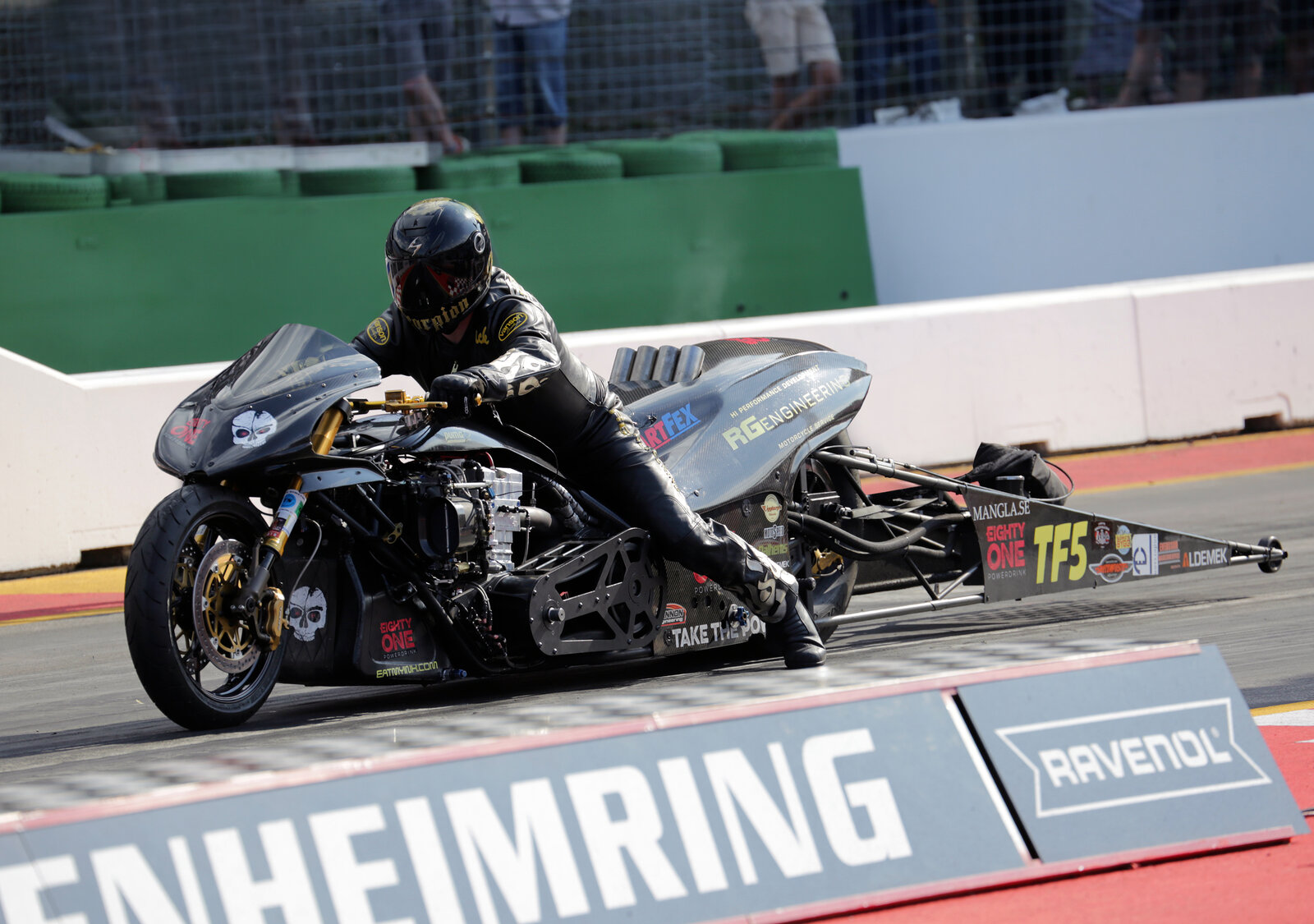
Photo: Auge=mit — Wikimedia Commons (CC BY-SA 4.0)
The official American motorsport distance is the quarter-mile (402 metres), though shorter formats exist worldwide — Malaysia's popular street/track drag scene commonly runs a 201-metre (roughly 1/8-mile) format, which suits smaller-capacity underbone engines and typically-available track lengths better than a full quarter-mile.
Where drag racing actually started
Drag racing's roots trace to the dry lakebeds of Southern California in the 1930s, where hot rodders tested modified cars on open, flat terrain with no traffic to worry about. After World War II, many of these same enthusiasts — some of them ex-military pilots and mechanics — found a new resource: abandoned military airstrips, which offered long, straight, paved surfaces ideal for standing-start speed runs. This is genuinely where the word "drag" is believed to originate, from slang for a street or strip ("the main drag") where informal street racing had been happening.
Informal racing on public streets was dangerous and increasingly drew police attention, which set the stage for the sport's defining moment: in 1951, Wally Parks founded the NHRA (National Hot Rod Association), explicitly to move racing off public roads and onto sanctioned, safety-inspected drag strips with proper timing equipment, starting-line procedures, and vehicle safety rules. This is the point drag racing shifted from an underground street activity into an organised, regulated motorsport with defined classes and a proper governing body.
How motorcycle drag racing developed
Motorcycle classes grew alongside the car side of the sport, eventually including headline categories like Top Fuel Motorcycle (purpose-built dragbikes running exotic fuel and producing extreme power for their weight) and Pro Stock Motorcycle (production-based machines modified within tighter rules), among various other sanctioned classes worldwide. The core format — standing start, straight line, fastest ET wins — carried over directly from the car side, since it's fundamentally the same physics problem: maximum acceleration in a straight line over a fixed distance.
Drag racing in Malaysia: the kapchai connection
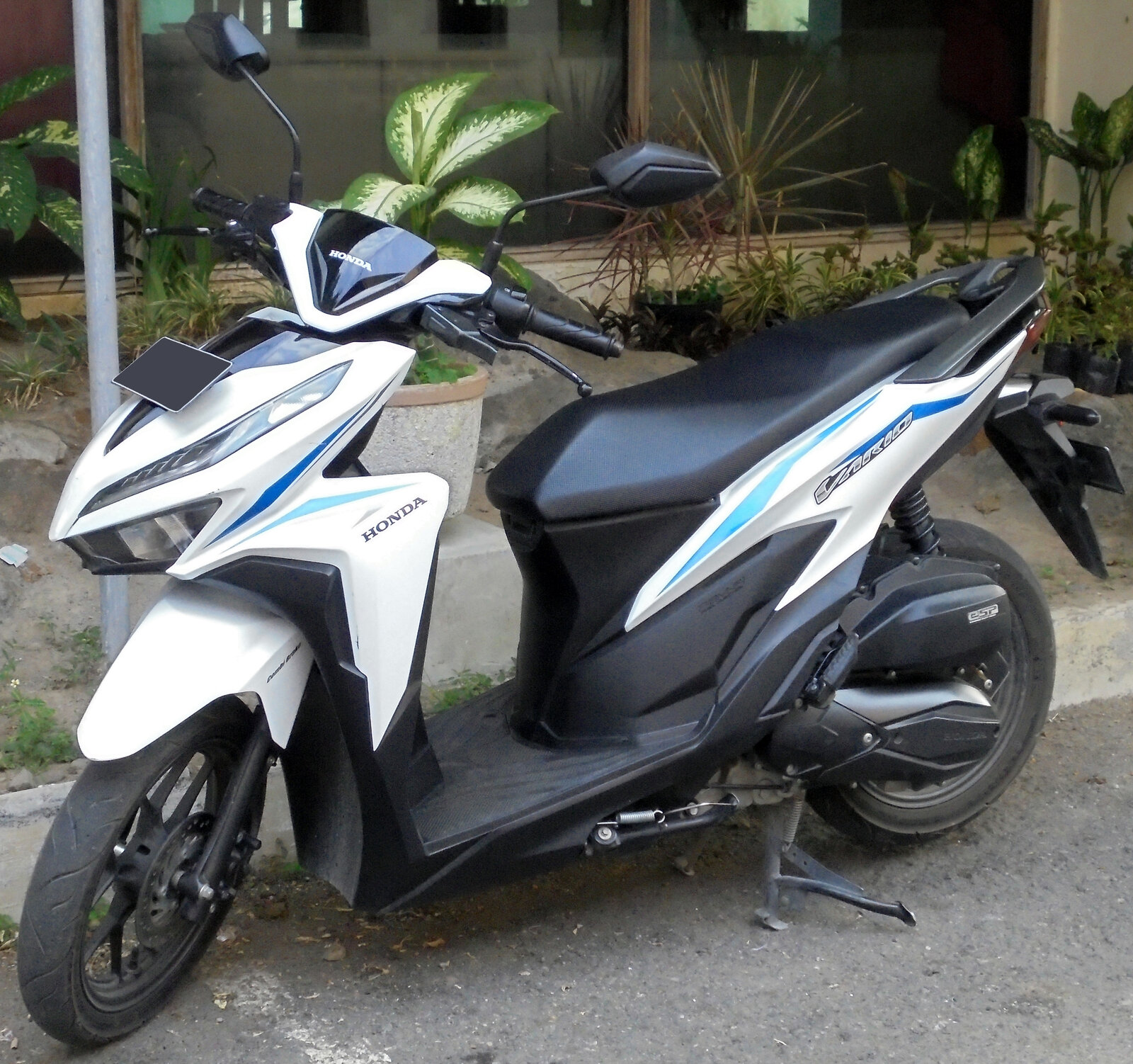
In Malaysia, drag racing culture grew heavily around underbone/kapchai motorcycles rather than cars, for straightforward reasons — kapchai bikes are affordable, widely owned, easy to modify, and the local platforms (Y15ZR, LC135, RS150 and their predecessors) have decades of accumulated tuning knowledge behind them. This created a genuinely distinct regional drag culture: organised track events at circuits and dedicated drag strips exist alongside a persistent (and illegal) informal street-racing scene, and the demand from this culture for crankshafts, exhausts, carburetion/tuning parts, and reliability upgrades is a large part of why the Malaysian aftermarket parts scene for underbone bikes is as developed as it is today.
FAQ
Q: What's the difference between elapsed time and trap speed? Elapsed time (ET) is the total time to cover the race distance from the start; trap speed is the vehicle's velocity at the finish line. A vehicle can have a great trap speed but a mediocre ET if it launches poorly, or vice versa.
Q: Why is the quarter-mile the classic drag racing distance? It became the standard largely through the format's American origins and the length of available airstrips/strips at the time organised drag racing was formalised in the early 1950s; it stuck as the sport's defining distance from there.
Q: Why does Malaysia commonly use a 201-metre format instead of the quarter-mile? A shorter distance suits the power and gearing characteristics of smaller-capacity underbone engines better, and is a more practical fit for commonly available local track lengths.
Q: Is street drag racing legal in Malaysia? No — informal street racing is illegal and dangerous; organised, sanctioned track events with proper safety measures are the legitimate way to compete.
References: National Hot Rod Association (NHRA) history of drag racing's formalisation in 1951; general accounts of dry lakebed and airstrip racing origins in Southern California in the 1930s-40s; general accounts of Malaysian underbone/kapchai drag racing culture.
Frequently Asked Questions
What's the difference between elapsed time and trap speed?+
Elapsed time (ET) is the total time to cover the race distance from the start; trap speed is the vehicle's velocity at the finish line. A vehicle can have a great trap speed but a mediocre ET if it launches poorly, or vice versa.
Why is the quarter-mile the classic drag racing distance?+
It became the standard largely through the format's American origins and the length of available airstrips at the time organised drag racing was formalised in the early 1950s.
Why does Malaysia commonly use a 201-metre format instead of the quarter-mile?+
A shorter distance suits the power and gearing characteristics of smaller-capacity underbone engines better, and fits commonly available local track lengths.
Is street drag racing legal in Malaysia?+
No — informal street racing is illegal and dangerous; organised, sanctioned track events with proper safety measures are the legitimate way to compete.