How to Achieve a Higher Top Speed: Gearing, Aerodynamics, and Engine Tuning Explained
Top speed isn't just about horsepower — it's where engine power, final gearing, and aerodynamic drag all balance out. Here's what actually moves the needle, and what doesn't.
MySpeedParts Team
· 4 min read
What actually determines top speed
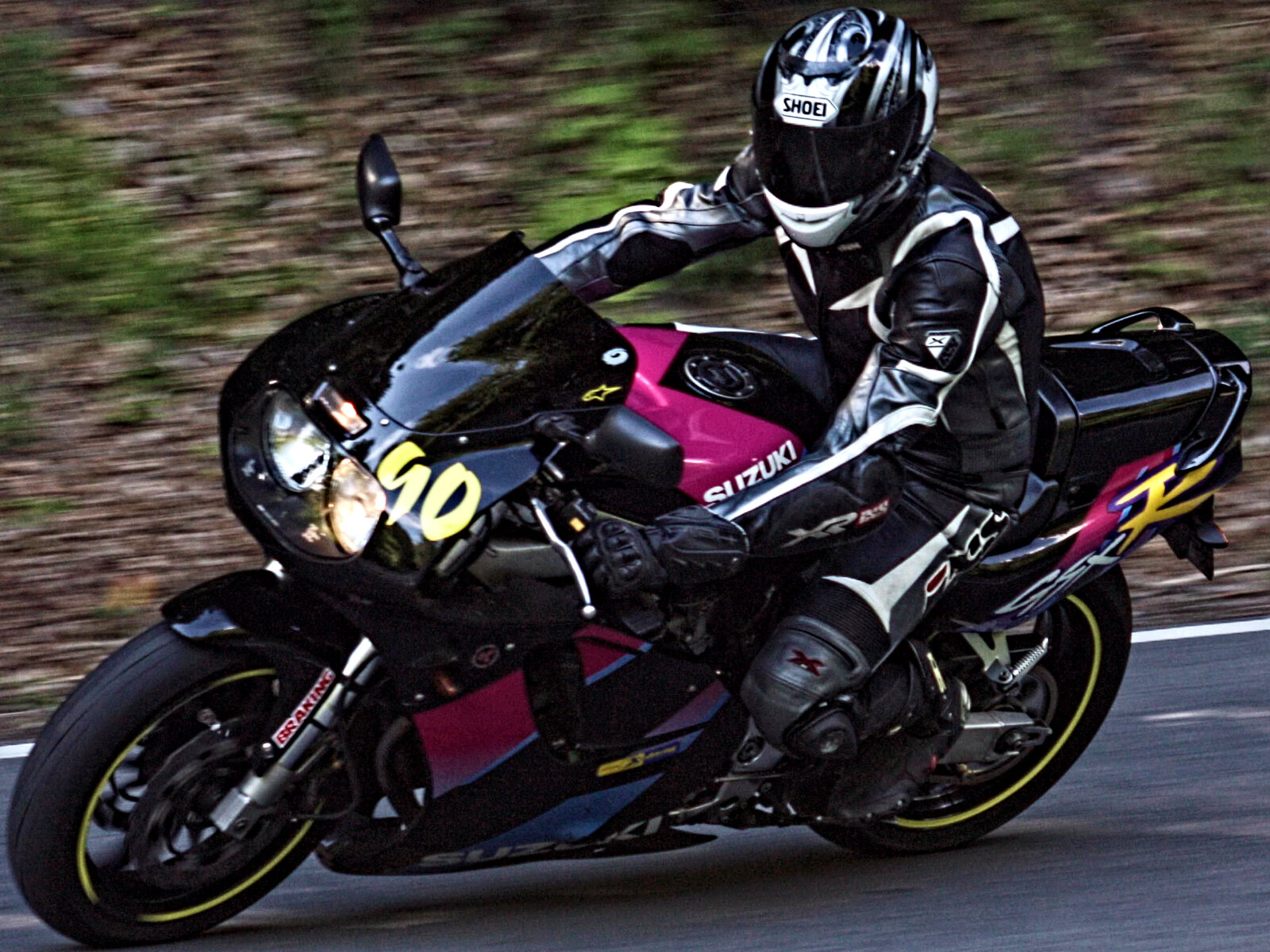
Top speed is reached when the engine's available power at the wheel exactly equals the total force resisting forward motion — mostly aerodynamic drag at higher speeds, plus rolling resistance and drivetrain friction. Push the throttle further and there's simply no power left over to accelerate further; the bike has hit equilibrium. This is why top speed is a genuinely different problem from acceleration — a bike can accelerate hard off the line and still have a modest top speed if it runs out of gearing or gets pinned by drag early.
Photo: driver Photographer — Wikimedia Commons (CC BY-SA 2.0)
Lever 1: Final gearing
Final drive ratio (set by front/rear sprocket teeth count, or final drive gearing on a shaft-driven bike) determines road speed per engine RPM in top gear. A "taller" final gearing (smaller rear sprocket or larger front sprocket) means the engine spins slower for a given road speed, letting the bike reach a higher speed before hitting redline — but only if the engine still has meaningful power left to give at that lower RPM-per-speed ratio. Gear too tall and the bike may never actually reach redline because it runs out of power/torque to keep accelerating at the new ratio; gear correctly and you extend top speed right up to the point the engine's power curve and drag curve meet.
Lever 2: Aerodynamic drag
Aerodynamic drag force rises with the square of speed (double the speed, roughly four times the drag force), which is why it barely matters for acceleration at low speed but dominates the top-speed equation. The practical levers here:
- Rider position — tucking in behind the fairing/windscreen meaningfully reduces frontal area and turbulence compared to sitting upright, and is one of the cheapest, most immediately effective changes available.
- Fairing and bodywork design — a well-shaped fairing that manages airflow around the rider (not just in front of them) reduces drag more than a taller windscreen alone.
- Removing drag-inducing accessories — aftermarket top boxes, wide mirrors, and poorly integrated luggage all add frontal area and turbulence that cost real top-end speed.
Lever 3: Engine power at the drag-limited RPM
More peak power helps top speed only if that power arrives at or near the RPM the bike is actually turning once gearing and drag balance out. This is why top-speed-focused tuning (bigger throttle body/carb, freer-flowing exhaust, cam timing, ECU remapping) targets extending and raising the power curve at high RPM specifically, rather than just adding low-end torque, which mostly helps acceleration and does little for the drag-limited top-end.
What does NOT raise top speed
- Shorter (lower) final gearing — helps acceleration by letting the engine rev higher for a given speed, but means the bike hits redline at a lower road speed, which usually lowers top speed.
- A lighter flywheel — improves throttle response and how quickly the engine changes RPM, but doesn't change how much power is available at a given RPM, so it does not raise top speed on its own.
- More low-end torque with no change to peak power or RPM range — helps get to speed faster, but the point where power meets drag doesn't move.
A practical checklist
- Confirm what's actually limiting your bike right now — hitting redline before drag limits you (a gearing problem) versus running out of power before redline (an engine/aero problem) are different fixes.
- If gearing-limited, calculate a taller final ratio and confirm the engine still pulls cleanly at the new lower RPM-per-speed relationship.
- If aero-limited, address rider position and bodywork before spending on engine work — it's usually the cheapest gain available.
- If genuinely power-limited at the relevant RPM, focus tuning specifically on high-RPM power (breathing, cam, exhaust, mapping) rather than low-end torque.
- Always confirm tyre speed rating and chassis stability before chasing a higher realistic top speed — this is a real safety constraint, not just a performance one.
FAQ
Q: Does more horsepower always mean a higher top speed? Only if the extra power arrives at the RPM range the bike is actually using once gearing and drag balance out — power gains low in the rev range mostly help acceleration, not top speed.
Q: Will changing my sprockets alone increase my top speed? Only up to the point your engine still has power to spare at the new, lower RPM-per-speed ratio — gear too tall and the bike may never reach the theoretical higher speed because it lacks the power to get there.
Q: Does rider position really make a measurable difference? Yes — because aerodynamic drag rises with the square of speed, reducing frontal area and turbulence at high speed has an outsized effect compared to the same change at low speed.
Q: Is chasing top speed on a public road ever a reasonable idea? No — this is fundamentally a track/closed-course topic; public roads have speed limits, traffic, and conditions that make top-speed testing unsafe and illegal.
References: general vehicle dynamics principles covering drivetrain gearing, aerodynamic drag (proportional to velocity squared), and power-versus-drag equilibrium as documented in standard automotive/motorcycle engineering references.
Frequently Asked Questions
Does more horsepower always mean a higher top speed?+
Only if the extra power arrives at the RPM range the bike is actually using once gearing and drag balance out — power gains low in the rev range mostly help acceleration, not top speed.
Will changing my sprockets alone increase my top speed?+
Only up to the point your engine still has power to spare at the new, lower RPM-per-speed ratio — gear too tall and the bike may never reach the theoretical higher speed.
Does rider position really make a measurable difference?+
Yes — because aerodynamic drag rises with the square of speed, reducing frontal area and turbulence at high speed has an outsized effect.
Is chasing top speed on a public road ever a reasonable idea?+
No — this is fundamentally a track/closed-course topic; public roads have speed limits, traffic, and conditions that make top-speed testing unsafe and illegal.